
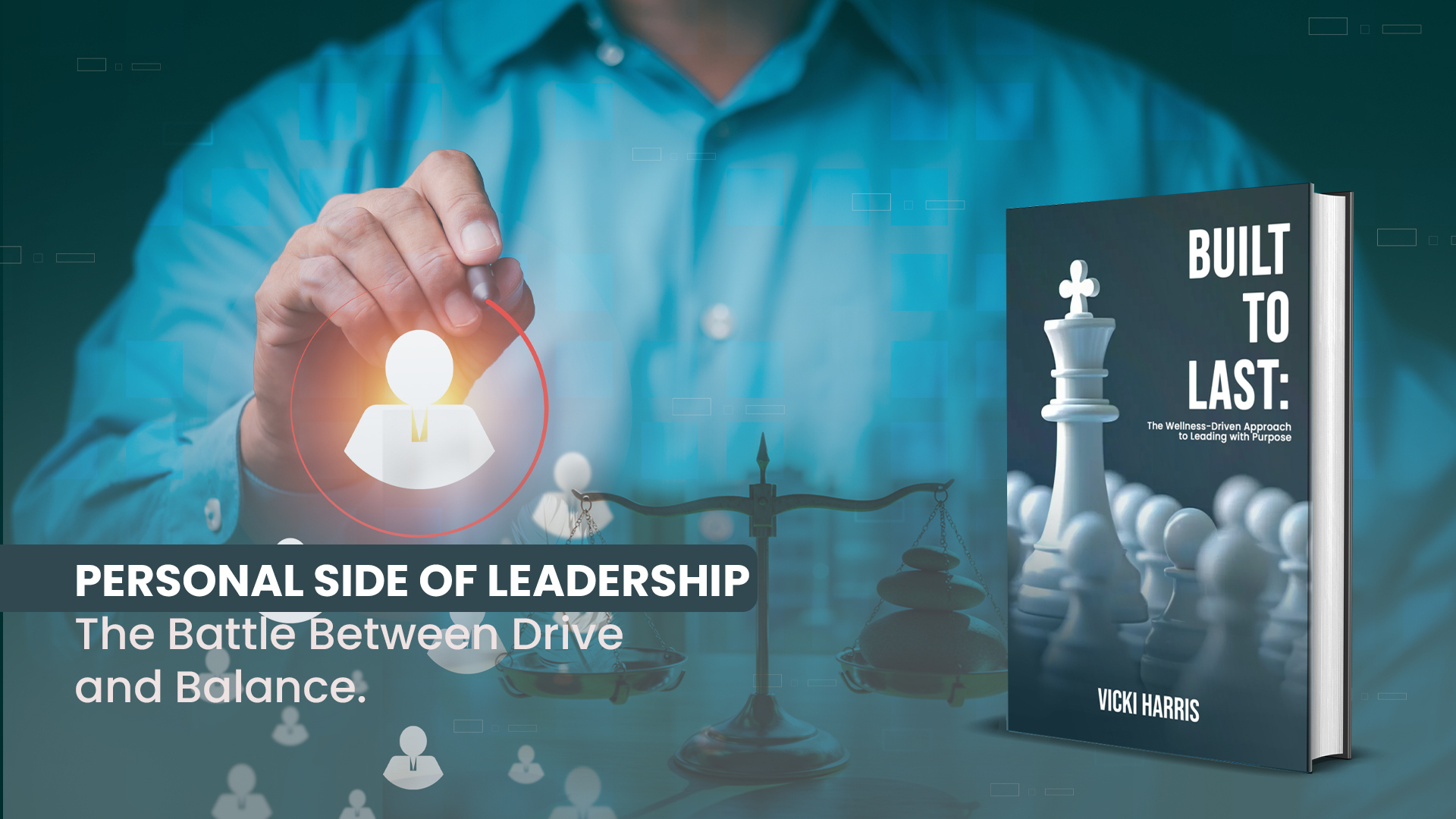
Leadership is often talked about in terms of vision, strategy, and results. We are impressed with leaders who innovate, who build organisations, who lead through crises. But if I looked at my own experience, what I know is that the most critical lessons were not from high-performing quarterly results or successful programs, but from downtime spells moments of disproportion and purpose won or lost. Leadership is not what we do for others, but who we are in ourselves.
The Battle Between Drive and Balance
Early in my career, I believed that a great leader worked day and night. Long hours, back-to-back meetings, and being willing to sacrifice personal needs seemed to be the standard for commitment. I wore exhaustion almost as a badge of honor. But the reality is, it wasn’t going to work.
Balance is not a lack of ambition. Balance is knowing that unlimited ambition eventually eats us alive. I’ve learned that balance is stewardship of our own health, of our energy, of our people. Without it, even the most talented leader drains his or her tank.
Irony: By putting balance first, my leadership is stronger. Good thinking comes in rest. Better judgment comes with time to think. Strength comes with space for family, exercise, or alone time. Balance does not dilute leadership; it makes it richer.
Purpose as Anchor
While balance carries us from day to day, purpose carries us in the long term. Amidst the madness whirl of deadlines and deliverables, we can so easily forget why we lead in the first place. Purpose is the guiding light that prevents us from too often straying significantly off course in the midst of urgency.
The purpose of me isn’t a Big Important Mission Statement hung on the wall in some corner of the room. It is rather a gentler, more personal thing: a goal to leave others in better shape than I found them. And that sometimes is to teach someone in the office. And that sometimes is to step out of the way and let other people’s ideas have the limelight. And that sometimes is simply kindness during the tough stuff.
When I am clear about my purpose, choices are easier. Priorities are more defined. Barriers seem more worth it. And maybe most importantly, purpose makes sacrifice tolerable. Late nights or difficult decisions don’t sting so much when I know they are for something greater than me.
Lessons from Imbalance
Of course, I didn’t arrive where I did without errors. There were times when expediency mattered more than everything else. Times when I was physically present with loved ones at home but not in spirit. Times when I pursued achievements that, in the grand scheme of things, were more about ego than impact.
Those years also taught me hard but valuable lessons:
- Unhealthy success is hollow. No achievement can substitute for a tense body or mind.
- Being there is the greatest gift. To be completely present with one’s family, coworkers, or teams for a significant portion of time is more valuable than anything else.
- Leadership requires the power of saying no. Saying no to what drains or distracts us from our reason facilitates room for what matters most.
- Imbalance is not a decision. It’s a requisite teacher. The secret is not to totally avoid it but to recognize it first, learn from it, and modify again.
Real Life Steps I Try to Gain Balance and Direction
These are not platitudes on a shelf. These are things I try, less than perfectly some days, to do daily:
- Rest rhythms: I schedule exercise, reflection, and family as inflexibly as I schedule a business meeting. If it doesn’t get on the calendar, it’s too easy to slip through the cracks.
- Purpose check-ins: I take a moment to think, Is this in line with the kind of leader I want to be? This break keeps me from pursuing shallow wins.
- Technology limits: Emails and messages will use up all your time. Having a routine of powering down devices every evening to make space for rejuvenation is what I do.
- Gratitude habits: Suggesting to myself every evening, in writing, what I am grateful for keeps me in the mindset of thinking about what is working rather than what is not.
- Investing in relationships: I’ve learned increasingly that leadership isn’t necessarily about heroics but more about collective journeys. Time spent building trust and relationship repays the longest-term dividend.
These habits don’t make me perfect, but anchor me to who I aspire to be.
Why This Matters for Leadership
It is easy to think of balance and purpose as personal indulgences, but I believe they are a leadership requirement. A leader who doesn’t put them first becomes reactive, hard, and transactional. A leader who puts them first becomes resilient, stable, and inspiring.
Teams don’t listen to what we say; they feel how we live. When leaders are grounded, they inspire others to be grounded. When leaders have purpose, they discover purpose in others. This ripple effect extends far deeper into culture than any policy or memo ever has.
Closing Reflections
Leadership is always described as an outside-in effort, inspiring, developing strategy, and driving outcomes. But it is a personal action at its core. The self-knowledge that we build, the purpose that we discover, and the integrity with which we live them out are what mold us into the leaders that we become.
I still have so much to learn. There are days that I fail. Some days are more difficult than others. But I return, time and again, to the reality of this: leadership is not being brimming with brilliance and burning out. It is being capable of lighting a steady flame that illuminates the path for others and keeps our own lives warm with purpose.
Purpose and balance are not separate from leadership. They are its very essence itself.