
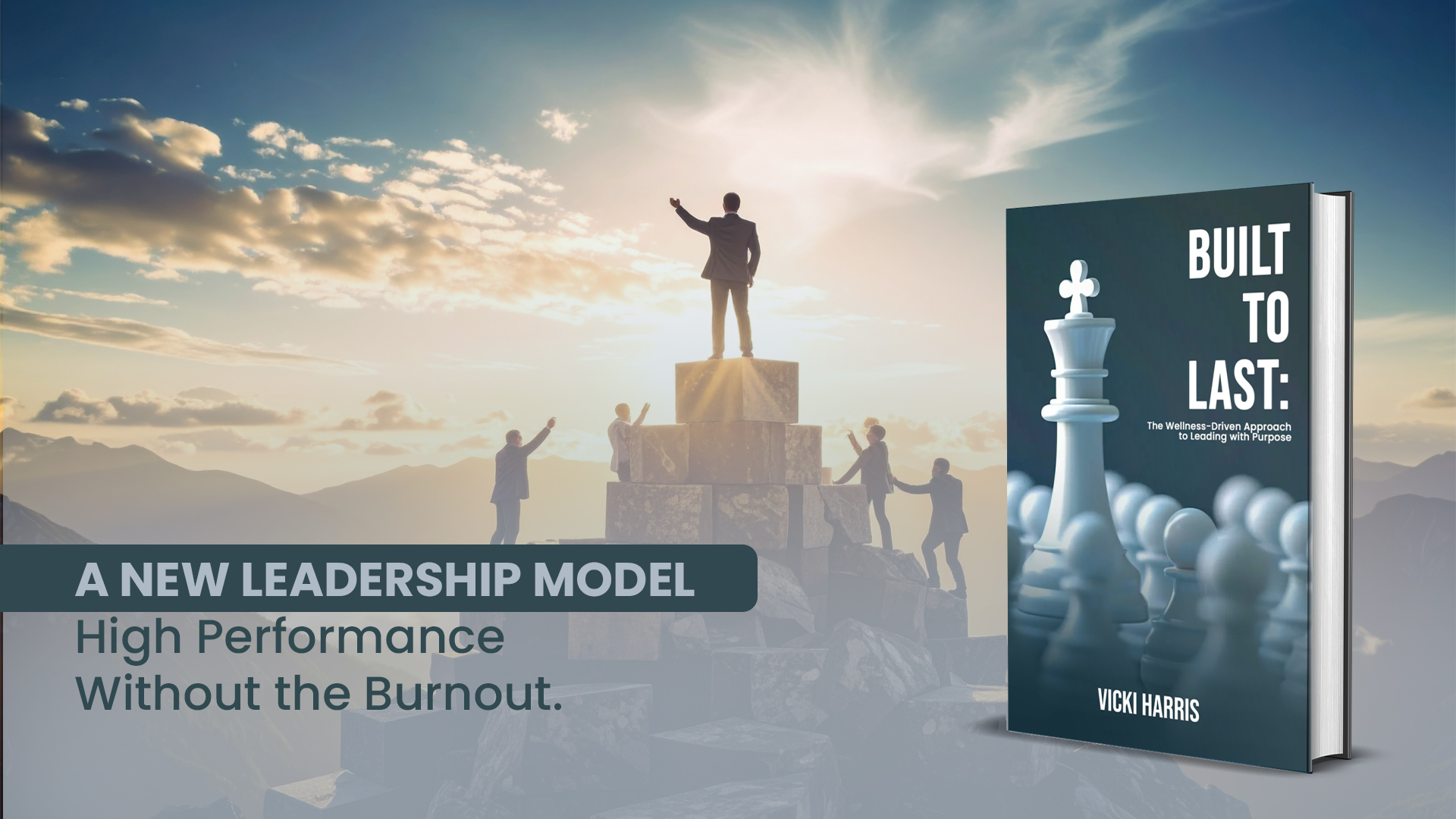
For decades, the long hours, workaholism, and results-driven laser-beam leadership model reigned supreme. Leaders were martyrs and heroes, burning the midnight oil, and high performance was inextricably tied to personal burnout. That model lies in ruins. With growing levels of turnover, disengagement, and stress in industries, it’s increasingly apparent that untrammeled leadership behavior no longer works or is not acceptable.
There is a new leadership model in development: one that creates high performance without burning people out. Grounded in sustainability, compassion, and resilience. Beneficial to leaders themselves, but on its way to building healthier, more innovative, more engaged organizations.
The Problem with the Old Model
Cultural leadership has been driven too frequently by an “hero” culture: the exhausted generator of outcomes, the first-in-the-office, last-to-go administrator, the sole possessor of every decision and outcome. It produces quick outcomes, but at a staggering price:
- Burnout: Constant pressure drains energy, imagination, and decision-making ability.
- Turnover: Individuals will adopt a lesson from leaders. Exhausted managers are likely building disengagement in the team.
- Short-term solution: Desperate survival in the guise of sacrificing long-term planning and growth.
- Toxic cultures: Overpressure without respite generates a culture where fear trumps trust.
The myth of the burnout, selfless leader has lasted because sometimes it is true. But in today’s new, more complicated, faster world, the old model is not just unsustainable, it is toxic.
A Shift to Sustainable High Performance
Such a new paradigm recognizes that performance and well-being are not opposite but complementary. They complement each other. Energy-saving leaders, resilient leaders, and leaders generating supportive environments unleash more stable and sustainable performance.
This shift is based on growing evidence in performance science, organizational psychology, and neuroscience. High performance and not burnout is not less work; it’s other work. It’s about harnessing human energy on business outcomes so that leaders and teams can perform and grow.
Four Pillars of the New Model
1. Energy Management Rather Than Time Management
The previous leadership was all about time management. The new one is about energy management. Self-aware leaders know their natural cycles when they are most creative, analytical, or reflective and plan their work based on them. They ask others to do the same. Strategic breaks, exercise, and recovery patterns are as ubiquitous as meetings and deadlines.
2. Empathy as a Driver of Performance
Empathy is not “niceness,” it is a high-leverage performance behavior. Deeply listening leaders, listening beyond barriers, and truly caring about people create psychological safety. Those who are safe are more likely to try new things, collaborate, and innovate. Empathy builds resilience that builds lasting outcomes.
3. Clarity and Focus
One of the subtle causes of burnout is confusion. Leaders who scatter their people between many priorities squander energy and create confusion. Instead, new-model leaders provide clear objectives, clarify the “why” behind a decision, and coordinate people’s efforts with purpose. Focus prevents wasted effort and energizes motivation.
4. Modeling Healthy Boundaries
Of all the shifts, the most potent is probably leaders modeling balance. By being out of the office by a reasonable hour, taking time off, and setting boundaries with technology, leaders enable others to do the same. High performance is sustained not by availability but by purposeful recovery. Leaders who model this create an example that productivity is a derivative, not hours.
The Benefits of the New Model
Firms that have embraced this new approach are witnessing the real-world benefits:
- More engagement: Treated as complete humans, employees are more productive.
- More innovation: Rested, psychologically safe teams create better ideas.
- Less turnover: Burnout is among the biggest causes of turnover; it saves dollars and maintains culture when tackled directly.
- Resilient leadership pipelines: Those most likely to sponsor, grow, and motivate tomorrow’s leaders are the successful long-term-high-performing ones.
With talent just around the next corner compressed in a disruptor economy, those advantages could be the difference between growth and flatlining.
How Leaders Can Begin
You don’t need an organizational overhaul to be complete. Start with small, on-purpose changes:
- Check your own energy: Pay attention to when you are at peak and lowest energy. Schedule turn.
- Do active listening: Listen for what’s happening for your team rather than rushing to problem-solve.
- Prioritize well: Avoid low-priority tasks and take what is most important.
- Model recovery: Talk openly about recovery practices, such as exercise, meditation, or time with family.
In doing so, leaders not only become more resilient but also communicate to their teams: high performance is a sustainable team goal,n ot a sprint to burnout.
Final Thoughts
The world no longer encourages leaders to burn themselves out and burn their teams out in the name of results. The new leadership model based on energy, empathy, simplicity, and balance is proving that high performance can be maintained at the cost of good results.
This is not a leadership trend more like the future of work mandate. Leaders who embrace it will get and keep the best talent, inoculate against change, and become long-term greatness.
Not only can leaders perform at a high level without burning out,,t but it’s the new leadership norm.bout their well-being. At the same time, leaders are learning that health and balance matter. You cannot lead well if you are tired, sick, or burned out.
The future of leadership is simple: be more human, and take care of wellness.
People First
Workers today want respect. They don’t want to feel like machines. They want leaders who listen. Leaders who ask, “How are you?” and mean it.
A human-centered leader knows people have lives outside work. Families. Feelings. Stress. Dreams. They respect all of it.
Why Health Matters for Leaders
If a leader is always tired or sick, they cannot give their best. The team sees it. The mood drops. But when a leader is healthy, the energy spreads. People feel safe. They feel motivated.
Wellness is not selfish. It helps everyone.
Old Way vs New Way
The old way of leading:
- Work without rest.
- Never show feelings.
- Focus only on results.
- The new way of leading:
- Balance work and rest.
- Talk about feelings.
- Care about people as humans.
- The old way is fading. The new way is growing fast.
Listening More
Good leaders listen more than they speak. They don’t just give orders. They ask for ideas. They make space for voices. This builds trust.
When people feel heard, they work with heart.
Care Builds Trust
Fear once kept teams in line. But now, trust does. And trust comes from care. A leader who supports mental health or gives flexible hours earns respect. A leader who cares is a leader people want to follow.
Leaders Show the Way
Leaders set the example. If a leader works 16 hours, the team feels they must too. If a leader eats badly and skips rest, the team copies.
But if the leader takes breaks, eats well, and values balance, the team learns the same. Leaders show by doing, not just saying.
Simple Wellness Habits
Wellness is not big or hard. Small things matter.
- Drink water often.
- Take short walks.
- Pause for deep breaths in meetings.
- Respect time off.
- Sleep on time.
- These tiny steps create big change over time.
Emotional Wellness
Health is not only about the body. It is also about the mind. Leaders who admit stress or share struggles make others feel safe. It shows they are human. It shows strength.
A workplace where people can share feelings is a workplace that grows.
Workplaces of the Future
The future office will not just be about money. People will want purpose. They will want balance. They will stay where leaders care for them.
Companies with cold, harsh bosses will lose good people. Companies with kind, wellness-driven leaders will keep them.
Tech Can’t Replace Care
Yes, technology is everywhere now. AI, apps, and machines are fast. But none of them can care. None of them can listen with a heart. Only human leaders can do that.
The leaders who mix tech with human touch will stand out.
Why Wellness Works
Wellness-driven leadership is not just nice. It works. Healthy leaders make clear choices. Balanced teams stay longer. Sick days go down. Energy goes up.
In the end, wellness helps both people and the business.
The Change Has Started
We can already see it. More companies talk about mental health. More teams ask for balance. This is not a small trend. It is the future.
Leaders will no longer be judged only by profits. They will be judged by how they treat people.
What Leaders Must Learn
Future leaders need new skills:
- Show empathy.
- Care for health.
- Respect balance.
- Support mental health.
- Build safe spaces.
- These skills matter more than power or control.
Extra Thoughts
Change is not always easy. Some leaders may feel afraid of this new way. They may think showing care makes them weak. But that is not true. Kindness is not weakness. It takes strength to listen, to rest, and to care.
A human-centered leader is not soft. They are strong in a different way. They lead with heart. They create loyal teams. They build trust that lasts for years.
This is the future. A future where success is not only about numbers, but also about people and wellness. And that future starts now.
Final Words
The time of cold, strict bosses is ending. People want leaders who care. They want leaders who are human first.
Wellness is not extra. It is the base. A leader who takes care of health and feelings can give their best. And they inspire others to do the same.
The future belongs to leaders who are kind, balanced, and human. That is how teams grow. That is how real success happens.